
In the era of rapid technological advancements, the phrase "high-tech" has become a household term. It refers to the latest and most sophisticated technology that has the potential to revolutionize various aspects of our lives. From the way we communicate to how we manage our health, high-tech is leaving an indelible mark on the fabric of society. This essay delves into the transformative power of high-tech and how it is reshaping our daily lives.
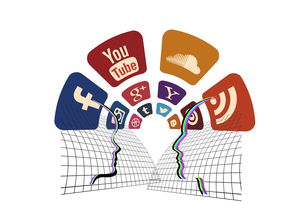
One of the most evident changes brought about by high-tech is in the realm of communication. Gone are the days when people had to rely on letters and telegrams to stay in touch with loved ones. Today, we have smartphones and social media platforms that allow us to connect with anyone, anywhere, at any time. Video calls, instant messaging, and social networking sites have made the world a smaller place, fostering relationships and enabling collaboration across geographical boundaries.
High-tech has also revolutionized the way we work. Remote work, which was once considered a luxury, has become a norm, especially in the wake of the COVID-19 pandemic. Cloud computing, video conferencing tools, and project management software have made it possible for teams to work together seamlessly, regardless of their physical location. This has not only increased productivity but also allowed for a better work-life balance, as employees can now choose to work from the comfort of their homes.
In the healthcare sector, high-tech is proving to be a game-changer. Telemedicine, for instance, has made it possible for patients to consult with doctors without having to visit a hospital or clinic. This is particularly beneficial for those living in remote areas or for those who are unable to travel due to health issues. Additionally, advancements in medical technology, such as AI-powered diagnostics and robotic surgery, are improving the accuracy and efficiency of medical procedures, leading to better patient outcomes.
Education is another sector that has been significantly impacted by high-tech. Online learning platforms have made education more accessible and flexible. Students can now learn at their own pace, choose from a wide range of courses, and interact with educators and peers from around the world. This has democratized education, allowing individuals from all walks of life to pursue their academic goals.
The impact of high-tech is also felt in our daily routines. Smart homes, equipped with devices that can be controlled remotely, are becoming increasingly popular. These devices range from thermostats that adjust the temperature based on occupancy to security systems that can alert homeowners of any unusual activity. Such conveniences not only save time but also contribute to energy efficiency and security.
However, with great power comes great responsibility. The widespread adoption of high-tech also raises concerns about privacy and security. As more of our lives become digitized, the risk of data breaches and identity theft increases. It is crucial for individuals and organizations to be vigilant about protecting their digital footprint and for governments to enact robust legislation to safeguard citizens' rights.
In conclusion, high-tech is undeniably transforming our lives in profound ways. It has made communication more efficient, work more flexible, healthcare more accessible, education more inclusive, and daily living more convenient. While there are challenges to overcome, particularly in the areas of privacy and security, the benefits of high-tech far outweigh the drawbacks. As we continue to embrace these advancements, it is essential to do so with a mindful approach, ensuring that technology serves to enhance our lives without compromising our values and rights. The future is bright, and high-tech is the torchbearer leading us into a new era of possibilities.